Frequent Acidity and Gastritis: Causes, Symptoms and Treatment
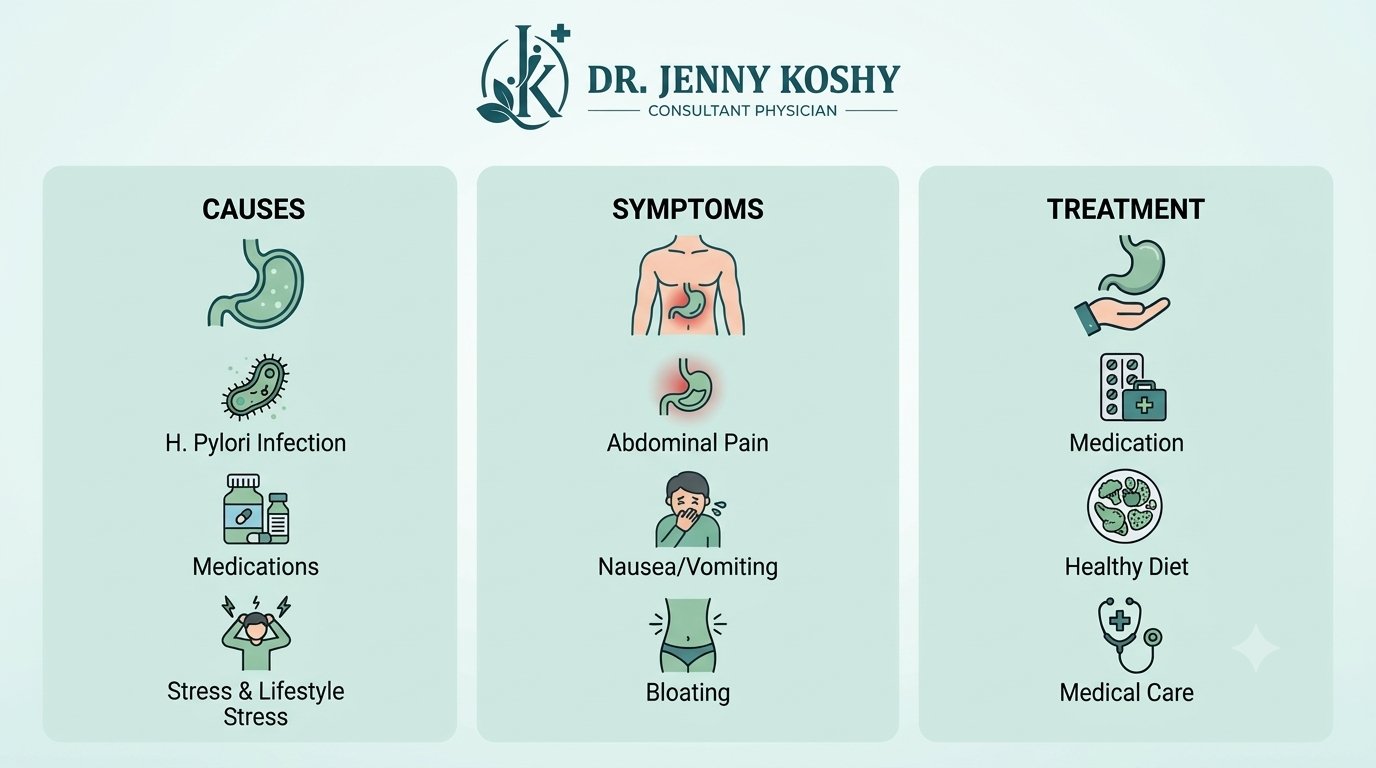
Frequent acidity and gastritis can cause discomfort, a burning sensation, bloating, and digestive problems that interfere with daily life. While occasional acidity may be related to eating habits, recurring symptoms can sometimes indicate acid reflux, inflammation of the stomach lining, or another digestive condition that requires medical evaluation.
Understanding the causes of frequent acidity, recognizing gastritis symptoms, and knowing when to seek medical advice can help you take better care of your digestive health. If you experience recurring stomach discomfort, consulting a General Physician in Nigdi can help you identify the possible cause and determine the next steps for appropriate care.
What Is Frequent Acidity and Gastritis?
Acidity is a commonly used term for symptoms such as heartburn, a sour taste in the mouth, or a burning sensation in the chest or upper abdomen. These symptoms may occur because of acid reflux, which happens when stomach contents flow back into the food pipe.
Gastritis is a condition involving inflammation of the stomach lining. It may develop because of an Helicobacter pylori infection, regular use of certain pain-relieving medicines, alcohol consumption, or other medical factors.
Although acidity and gastritis can produce similar symptoms, they are different conditions. Identifying the underlying cause is important because treatment depends on the diagnosis and the individual's medical history.
Common Causes of Frequent Acidity
Several factors may contribute to frequent acidity and digestive discomfort.
1. Eating Habits and Meal Timing
Eating large meals, lying down soon after eating, or having meals close to bedtime may worsen acid reflux in some people. Eating smaller portions and allowing time between dinner and bedtime may help reduce symptoms.
2. Food and Beverage Triggers
Coffee, spicy foods, fatty meals, and certain acidic foods may trigger symptoms in some individuals. However, triggers vary, so it is helpful to identify foods that consistently cause discomfort rather than unnecessarily restricting your diet.
3. Helicobacter pylori Infection
H. pylori is a bacterium that can cause gastritis and stomach ulcers. A healthcare professional may recommend appropriate testing when symptoms and medical history suggest a possible infection.
4. Certain Medicines
Some pain-relieving medicines, including non-steroidal anti-inflammatory drugs (NSAIDs), can irritate the stomach lining and increase the risk of ulcers. Do not stop prescribed medication on your own; discuss possible side effects with your doctor.
5. Smoking and Alcohol Consumption
Smoking and alcohol may aggravate digestive symptoms or contribute to gastrointestinal problems. Avoiding smoking and limiting or avoiding alcohol may be appropriate depending on your health and medical advice.
Common Gastritis Symptoms You Should Know
Gastritis symptoms can differ from person to person. Some people experience noticeable discomfort, while others may have few or no symptoms.
Common symptoms include:
Pain or discomfort in the upper abdomen
Nausea or vomiting
A feeling of fullness after eating
Bloating and indigestion
Reduced appetite
A burning or uncomfortable sensation in the stomach
Acid reflux may additionally cause heartburn, sour-tasting fluid in the mouth, or symptoms that worsen when lying down.
Seek urgent medical attention if you vomit blood, notice black or tarry stools, or experience severe abdominal pain. Chest pain accompanied by breathlessness, sweating, or dizziness also requires urgent assessment rather than assuming it is acidity.
How Are Frequent Acidity and Gastritis Diagnosed?
When acidity or stomach discomfort occurs repeatedly, a medical assessment can help determine the possible cause.
A doctor may ask about your symptoms, eating habits, medical history, and current medicines. Depending on the findings, investigations may include an H. pylori test, blood tests, or an upper gastrointestinal endoscopy.
Not everyone with acidity needs extensive testing. The appropriate investigation depends on symptom severity, duration, age, medical history, and any warning signs.
A General Physician in Nigdi can assess initial symptoms and recommend further investigation or specialist referral when necessary. If your symptoms require specialist evaluation, a gastroenterology specialist may be appropriate.
Treatment and Prevention of Frequent Acidity
Treatment for frequent acidity and gastritis depends on the underlying cause. Lifestyle changes may help manage some symptoms, while other conditions require prescribed medicines or specific treatment.
The following habits may help reduce digestive discomfort:
Eat moderate portions and avoid overeating.
Avoid lying down for approximately three hours after meals if you experience acid reflux.
Identify personal food triggers and adjust your eating habits accordingly.
Maintain regular meal timings where practical.
Avoid smoking and discuss alcohol use with your healthcare professional.
Maintain a healthy weight where appropriate.
Avoid repeatedly using over-the-counter acidity medicines without medical guidance.
Doctors may recommend acid-reducing medication when appropriate. If an H. pylori infection is confirmed, treatment generally requires a prescribed combination of medicines. Antibiotics should not be taken without a proper medical indication.
If symptoms persist despite treatment, further assessment may be needed to review the diagnosis and treatment plan.
When Should You Consult a Doctor for Acidity?
Occasional acidity may improve with simple changes, but frequent or persistent symptoms should not be ignored.
Consider seeking medical advice if you experience recurring heartburn, persistent upper abdominal discomfort, repeated vomiting, difficulty swallowing, unexplained weight loss, or symptoms that interfere with sleep and daily activities.
People with diabetes should also discuss ongoing digestive symptoms with their healthcare provider. Diabetes can sometimes affect stomach movement, and persistent symptoms may require evaluation beyond routine acidity management.
A Diabetes Doctor in Nigdi can help people with diabetes review their blood glucose management and overall health when digestive concerns occur alongside diabetes.
For persistent stomach discomfort, a general physician can provide an initial assessment and guide you towards appropriate care. A gastroenterology specialist may be recommended if further evaluation is necessary.
Frequently Asked Questions
1. What causes frequent acidity?
Frequent acidity may be associated with acid reflux, large meals, lying down after eating, individual food triggers, certain medicines, or other medical conditions. If symptoms recur regularly, medical evaluation can help identify the underlying cause.
2. What are the common symptoms of gastritis?
Common gastritis symptoms include upper abdominal discomfort, nausea, bloating, indigestion, and feeling full after meals. Some people have no obvious symptoms. Persistent or severe symptoms should be evaluated by a healthcare professional.
3. Can gastritis be treated completely?
The outcome depends on the cause. For example, gastritis associated with H. pylori may improve after appropriate prescribed treatment. Other cases may require medication adjustments or longer-term management. A doctor can recommend treatment based on the diagnosis.
4. Which doctor should I consult for frequent acidity in Nigdi?
A general physician can assess frequent acidity and stomach discomfort and recommend appropriate investigations or specialist referral. If your symptoms suggest a condition requiring specialist care, a gastroenterology specialist may be recommended.
Get Medical Advice for Frequent Acidity and Gastritis
Recurring acidity, bloating, and stomach discomfort can affect your comfort and daily routine. Rather than relying repeatedly on home remedies or self-medication, understanding the underlying cause is an important step towards appropriate care.
If you are experiencing persistent acidity or gastritis symptoms, book a consultation with Dr. Jenny Koshy in Nigdi to discuss your symptoms and receive guidance on suitable medical evaluation and next steps. If you also have diabetes, mention your blood glucose history and any related digestive concerns during your consultation so your overall health can be considered.
Timely medical advice can help you understand your symptoms, identify potential concerns, and make informed decisions about your digestive health.