High Blood Pressure: Symptoms, Causes, Risks and Treatment Options
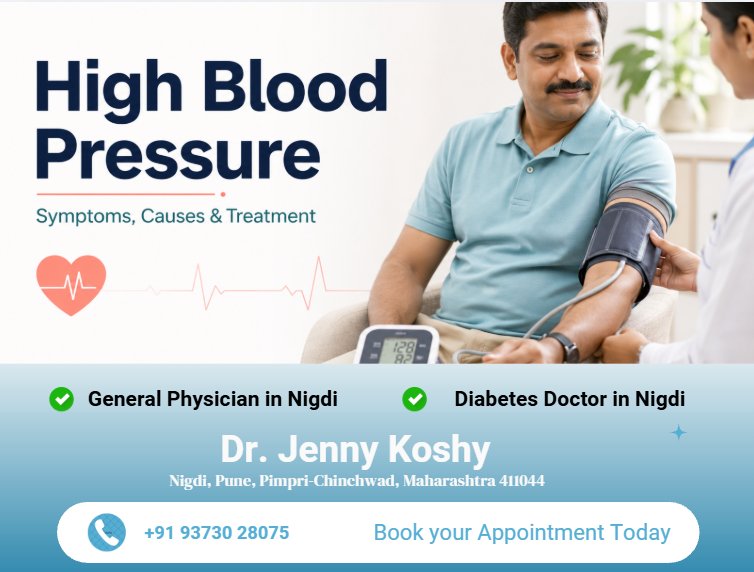
High blood pressure, also known as hypertension, is a common health condition in which the pressure of blood against the walls of the arteries remains higher than normal. It can develop gradually and may remain unnoticed for years because many people experience no obvious symptoms. When left uncontrolled, high blood pressure can increase the risk of heart disease, stroke, kidney problems, and other health complications.
Regular blood pressure checks are therefore important, especially for adults with diabetes, obesity, high cholesterol, a family history of hypertension, or an inactive lifestyle. A General Physician in Nigdi can evaluate blood pressure readings, assess possible risk factors, and recommend suitable lifestyle changes or medical treatment when necessary.
What Is High Blood Pressure?
Blood pressure measures the force of blood pushing against the artery walls as the heart pumps blood throughout the body. It is recorded using two numbers: systolic pressure and diastolic pressure.
A single high reading does not always mean that a person has hypertension. Blood pressure can temporarily increase because of stress, physical activity, pain, caffeine, or other factors. Doctors generally consider repeated readings and the patient's overall health before diagnosing high blood pressure.
Regular monitoring helps identify persistent changes early.
Does High Blood Pressure Cause Symptoms?
One of the challenges with hypertension is that it often causes no noticeable symptoms. A person may feel completely normal while their blood pressure remains elevated.
When blood pressure becomes very high, some people may experience symptoms such as:
Headache
Dizziness
Blurred vision
Shortness of breath
Chest discomfort
Nausea
Nosebleeds
Unusual tiredness
These symptoms are not specific to hypertension and can occur with many other medical conditions. Blood pressure measurement is the appropriate way to determine whether it is elevated.
Severe headache, chest pain, significant breathing difficulty, confusion, weakness, or sudden vision changes require urgent medical attention.
What Causes High Blood Pressure?
Hypertension can develop for several reasons. In many adults, there is no single identifiable cause. Instead, different lifestyle, genetic, and age-related factors contribute over time.
Family History
People with close family members who have hypertension may have an increased risk of developing the condition.
High Salt Intake
Eating excessive amounts of salt may contribute to higher blood pressure, particularly in people who are sensitive to sodium.
Being Overweight
Excess body weight can increase the workload on the heart and is associated with a greater risk of hypertension.
Lack of Physical Activity
A sedentary lifestyle can contribute to weight gain and cardiovascular health problems.
Smoking and Tobacco Use
Tobacco can damage blood vessels and temporarily increase blood pressure and heart rate.
Excessive Alcohol Consumption
Regular excessive alcohol intake can contribute to increased blood pressure and other health problems.
Stress
Stress can temporarily raise blood pressure. Long-term stress may also encourage habits such as poor eating, smoking, or inadequate sleep that can affect cardiovascular health.
Can Other Medical Conditions Cause Hypertension?
Sometimes high blood pressure develops because of another health condition. This is known as secondary hypertension.
Possible causes include kidney disease, thyroid problems, sleep apnoea, hormonal disorders, and certain medications.
Identifying the underlying cause is important because treating that condition may help improve blood pressure control. A General Physician in Nigdi may recommend further investigations when symptoms or medical history suggest a secondary cause.
What Is the Connection Between Diabetes and High Blood Pressure?
Diabetes and hypertension frequently occur together. Both conditions can affect blood vessels and increase the risk of cardiovascular and kidney complications.
People with diabetes should therefore monitor their blood pressure as part of routine health management. A Diabetes Doctor in Nigdi may review blood glucose levels, blood pressure, cholesterol, kidney function, medicines, diet, and other cardiovascular risk factors as part of ongoing diabetes care.
Managing both conditions appropriately is important for long-term health.
Why Regular Blood Pressure Monitoring Matters
Because hypertension often develops without symptoms, routine measurement is one of the simplest ways to detect it.
Regular monitoring can help:
Identify high readings early
Track changes over time
Evaluate the effect of lifestyle changes
Assess response to medication
Reduce the risk of prolonged uncontrolled hypertension
Some patients may also be advised to monitor their blood pressure at home. The doctor can explain how often readings should be taken and how to record them correctly.
How Is High Blood Pressure Evaluated?
Medical evaluation usually begins with repeated blood pressure measurements and a review of the patient's medical history.
The doctor may ask about:
Family history of hypertension
Current medicines
Diet and salt consumption
Physical activity
Smoking and alcohol use
Diabetes or cholesterol problems
Kidney or thyroid conditions
Sleep patterns
Depending on the findings, blood tests, urine tests, an ECG, kidney function tests, cholesterol tests, or other investigations may be recommended.
How Is High Blood Pressure Managed?
Treatment depends on the blood pressure level, overall cardiovascular risk, age, and other medical conditions.
Reduce Excess Salt
Reducing highly salted and processed foods can help support healthier blood pressure.
Follow a Balanced Diet
A diet containing vegetables, fruits, whole grains, appropriate protein sources, and other nutrient-rich foods supports general cardiovascular health.
Stay Physically Active
Regular physical activity can help with weight management and cardiovascular fitness. People with existing health conditions should discuss suitable exercise with their doctor.
Maintain a Healthy Weight
Even modest weight reduction may improve blood pressure in people who are overweight.
Stop Smoking
Avoiding tobacco is important for protecting the heart and blood vessels.
Get Adequate Sleep
Regular, sufficient sleep supports overall health and may contribute to better cardiovascular health.
Are Medicines Always Required?
Not everyone with an elevated blood pressure reading immediately needs medication. Treatment decisions depend on repeated readings and individual risk factors.
When medicines are prescribed, they should be taken according to medical advice. Patients should not stop or change their blood pressure medicine simply because their readings improve.
Controlled blood pressure often means the treatment is working rather than that hypertension has permanently disappeared.
Frequently Asked Questions
1. Can high blood pressure occur without symptoms?
Yes. Many people with hypertension have no noticeable symptoms, which is why regular blood pressure checks are important.
2. Can stress increase blood pressure?
Stress can temporarily increase blood pressure. Persistent stress and associated lifestyle habits may also contribute to long-term cardiovascular risk.
3. Are diabetes and hypertension connected?
Yes. Diabetes and hypertension commonly occur together and can increase the risk of heart, blood vessel, and kidney complications.
4. Can lifestyle changes lower blood pressure?
Healthy eating, reducing excess salt, regular activity, weight management, adequate sleep, and avoiding tobacco can support blood pressure control. Some people will still require medication.
5. When should I consult a doctor about my blood pressure?
Medical evaluation is recommended when blood pressure readings repeatedly remain elevated or when you have risk factors such as diabetes, kidney disease, high cholesterol, obesity, or a family history of hypertension.
Regular Monitoring Can Help Protect Your Long-Term Health
High blood pressure should not be judged by symptoms alone. Regular monitoring, healthy daily habits, and timely medical evaluation are important because hypertension can remain unnoticed for a long time. People who also have diabetes or other cardiovascular risk factors may require closer monitoring and an individual management plan.
For repeated high blood pressure readings or concerns about diabetes and cardiovascular health, Dr. Jenny Koshy can assess your symptoms, medical history, current medicines, and relevant risk factors. Book your appointment today for a proper health evaluation and personalised guidance on managing your blood pressure.